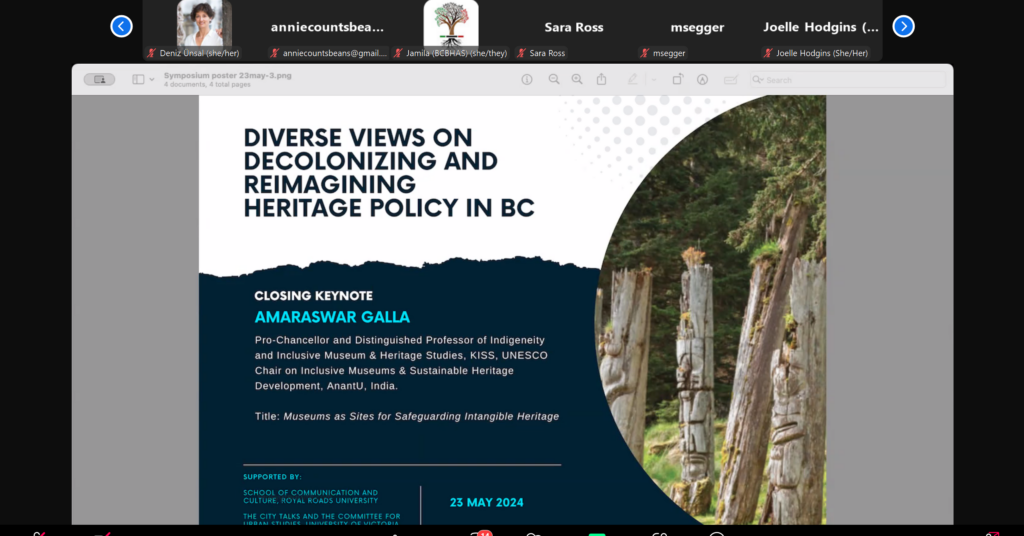
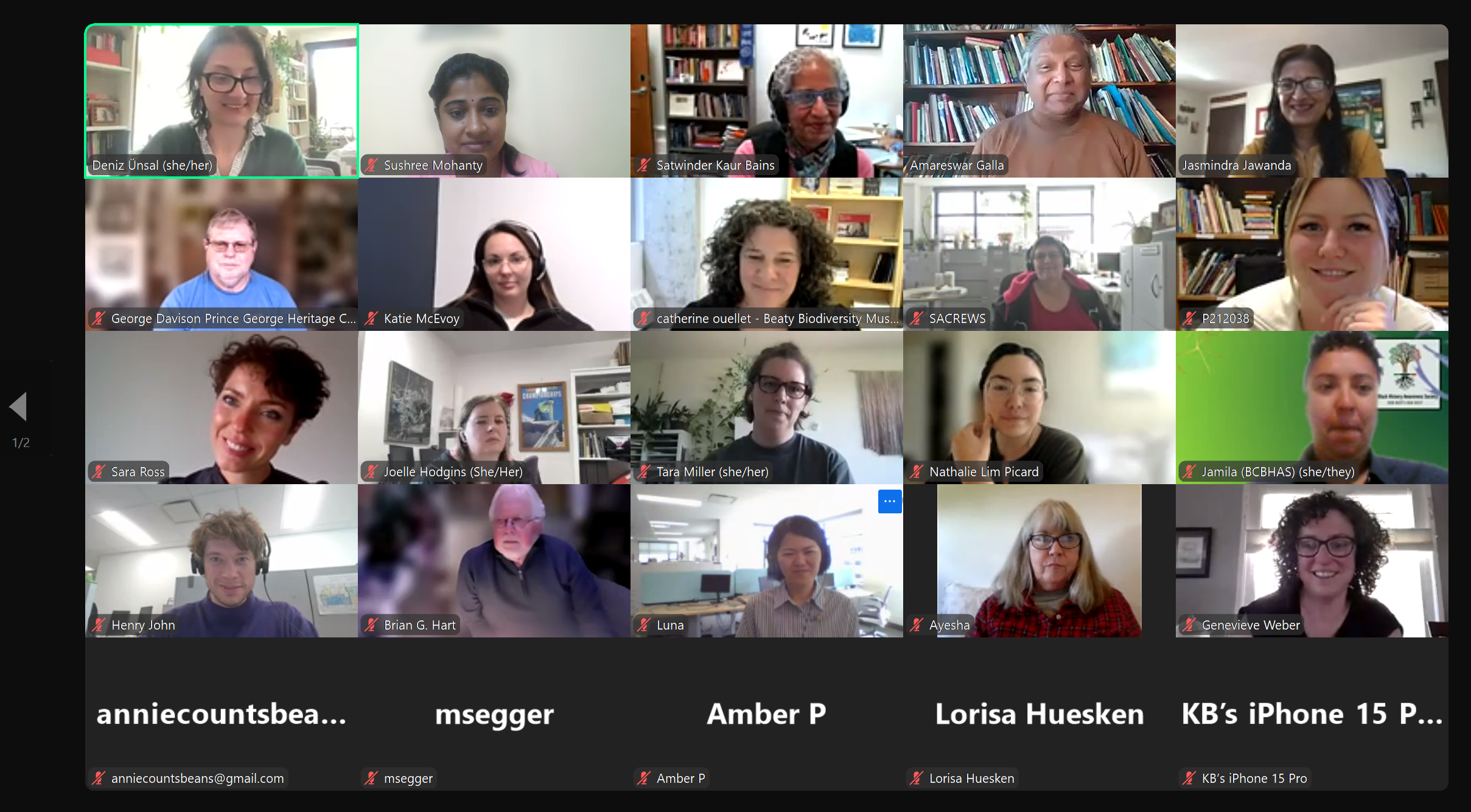
KISS @ the Symposium on Diverse Views on Decolonizing and Reimagining Heritage Policy in BC
Date: 23rd May 2024, Royal Roads University, Victoria, BC, Canada
The symposium “Diverse Views on Decolonizing and Reimagining Heritage Policy in BC” brought together distinguished speakers to address critical issues in heritage preservation and cultural policy. Opening Keynote speaker Dr Sara Ross, Law Professor from Dalhousie University, discussed the importance of integrating cultural rights within urban legal frameworks, emphasizing the protection of intangible cultural heritage in city settings. Jamila Douhaibi, Executive Director of the BC Black History Awareness Society, shed light on the resilience of Black communities highlighting their historical struggles and triumphs against racism. Prof. Dr Satwinder Kaur Bains, Director of the South Asian Studies Institute at the University of the Fraser Valley, explored the significance of community-engaged heritage practices, particularly for racialized Canadians, stressing the need for inclusive and participatory approaches in heritage work.
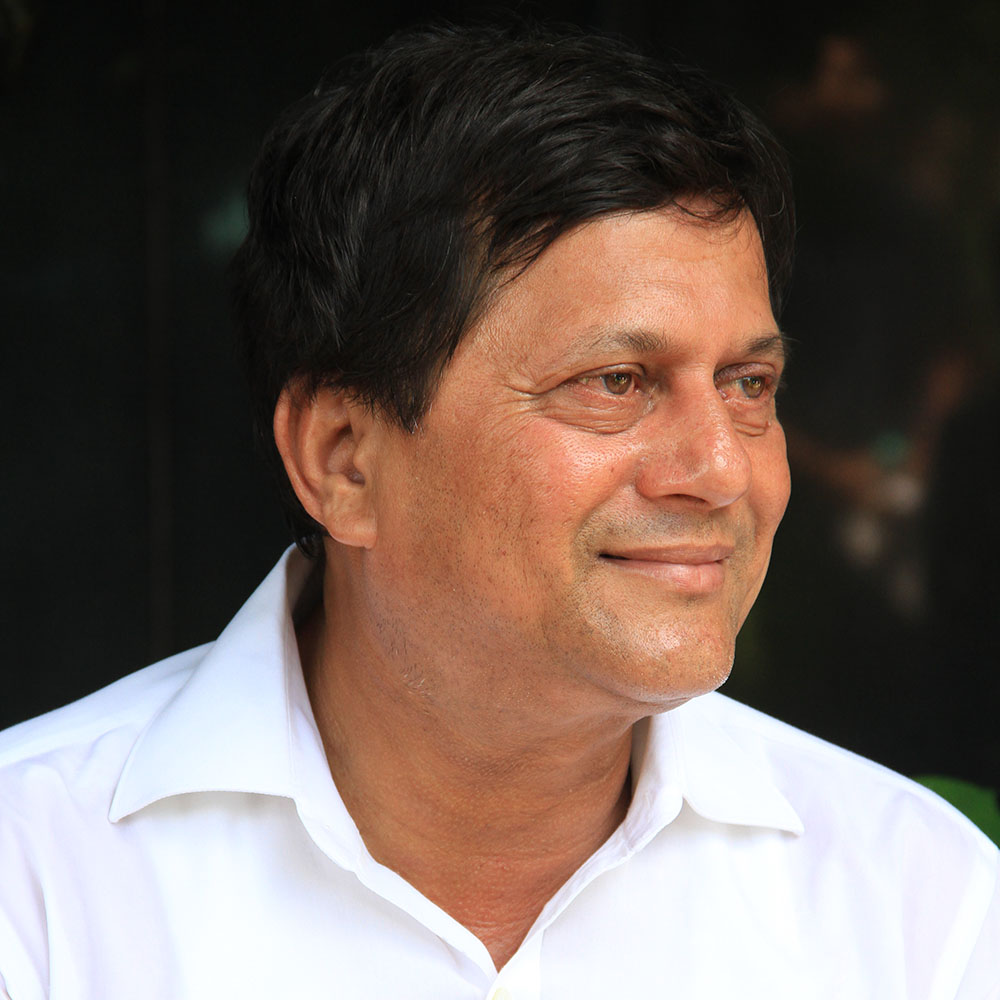
Closing Keynote speaker, Prof. Dr Amareswar Galla, Pro-Chancellor and Distinguished Professor at the Kalinga Institute of Social Sciences (KISS) and UNESCO Chair on Inclusive Museums & Sustainable Heritage Development, emphasized museums’ pivotal role in safeguarding intangible heritage. His insights on decolonizing museum practices and fostering inclusive heritage policies resonated with the symposium’s theme of reimagining heritage in a multicultural context.
The symposium’s diverse viewpoints are of particular significance to KISS, as they align with the Institute’s mission to promote cultural diversity, inclusivity, and sustainable heritage development. The discussions underscore the importance of recognizing and preserving the cultural heritage of marginalized communities, which is central to KISS’s educational and cultural initiatives. This global exchange of ideas enhances KISS’s commitment to fostering cultural understanding and positions the Institute as a leader in inclusive heritage practices, thereby contributing to its international recognition and impact.